
Who Is God?

I am spiritual, but not religious. This is not a phrase foreign to many in modern day discussions on belief and spirituality. Closely behind it is another phrase often declared with a kind of relief, it is from Alice Walker I think, My God is not a religious God. My God is nature, my God is everything there is. That’s God. Everything is God. I’m a child of that.
At first hearing, the statement feels liberating. It sounds like a release from the burdens of institutions, doctrines and rules. Many who say it are not doing so out of laziness or rebellion, but out of disappointment. Religious institutions have failed people. Scandals, hypocrisy and the misuse of power have left many convinced that the safest way to preserve belief in God is to remove God from religion altogether.
And so the move appears logical. If religion caused harm, then perhaps the solution is to step outside it.
The result is a kind of free-form spirituality. God becomes something expansive and unconfined. God is the beauty of a forest, the vastness of the ocean and the silence of a sunrise. God is described as energy, presence and the universe itself. The language carries a poetic warmth to it. It also carries a silent claim with it, that by dissolving religious structures we have somehow returned to a purer understanding of God.
But when one sits with this idea long enough, a curious question begins to emerge.
What exactly have we said about God?
The claim that God is everywhere is not new. Christianity has said this for centuries. The God of classical theology is omnipresent, just as He is omniscient and omnipotent. Yet the difference between these visions of God is not in the word everywhere but in what that word implies.
In Christian thought, God being everywhere does not dissolve His identity into the world. Nature exists within His presence, but it is not identical with Him. God remains someone who knows, who wills, who creates and who judges. His presence therefore does not merely comfort the human being—it confronts the human being.
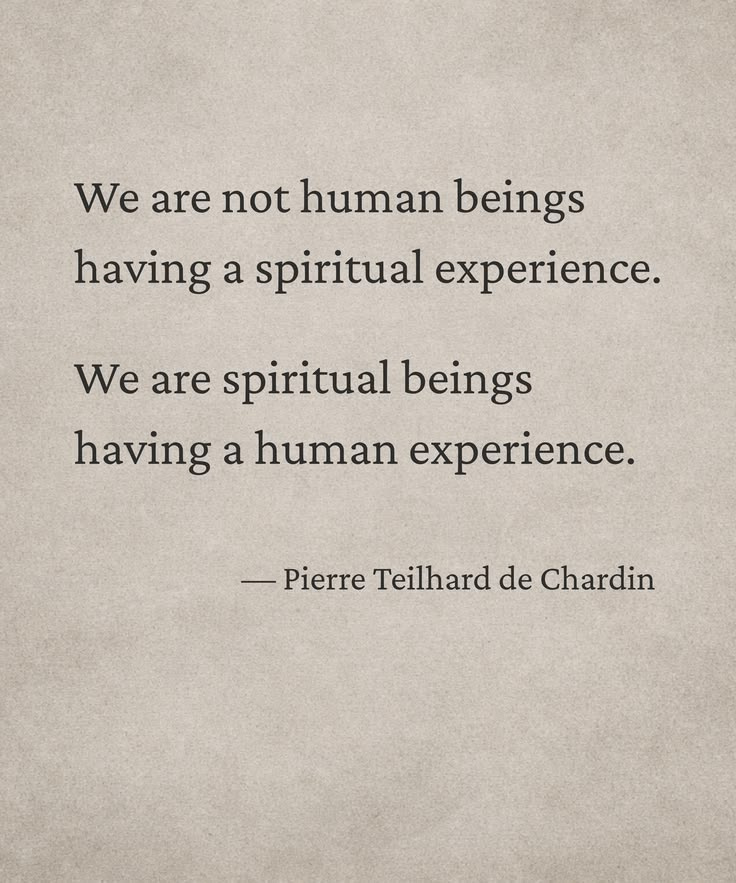
The newer spiritual language often removes that tension. God becomes present everywhere but somehow absent from the difficult places where human desire must be restrained or questioned. God becomes something that inspires awe but rarely something that demands obedience.
And this is where, in my opinion, the philosophical weight of the idea begins to thin.
We cannot deny that there is a certain poetry in this vision. One walks through a forest and feels something larger than oneself in the hush of the trees. One stands before the ocean and senses a depth that seems to swallow words. In those moments the human heart reaches instinctively for a name, and the name often given is God. Yet the very beauty of that moment raises a small problem.
The forest is already beautiful. The ocean is already calming. Wonder already belongs to the human encounter with the world. To call these experiences “God” may deepen the feeling, but it risks leaving the question untouched. For if God is only the name we give to what moves us, then the word begins to grow lighter with each use, until it floats gently above the world rather than explaining why the world exists at all. The tension remains suspended there, almost poetic, are we encountering God in these moments, or are we simply encountering ourselves reflected back through the beauty of creation?
One might object that identifying God with nature is not a modern invention at all. Pantheism—the belief that God is identical with the universe—has ancient roots, from the Stoics to Spinoza. Yet even here a crucial difference emerges. For Spinoza, God was not simply nature in its pleasant aspects but natura naturans, nature in its ceaseless, deterministic activity—a reality that could inspire intellectual love but offered no special exemption from the order of cause and effect.
The contemporary turn to nature-spirituality tends to be more selective. It gravitates toward sunsets, forests and ocean horizons, while quietly averting its gaze from the aspects of nature that resist romantic projection like why the predator’s kill, the wasting illness or the earthquake that swallows a village. If God is simply another name for nature, then God must be present in the tsunami as fully as in the sunrise. The question is whether the human heart can worship such a God without first sanitizing Him. The deconstruction of religion already shows otherwise.
The nineteenth-century philosopher Friedrich Nietzsche foresaw a moment like this. When he declared that God was dead in The Gay Science, aphorism 125, The Madman, he was not merely celebrating unbelief. He was diagnosing a cultural shift. He believed that Western society had quietly abandoned belief in God while continuing to live within moral frameworks that had been built on that belief. People would continue speaking about meaning, dignity and goodness, Nietzsche thought, even after removing the foundation that had once grounded those ideas.
In a different way, something similar is happening in our spiritual language today. God is not denied outright. Instead, God is softened. He becomes less a reality that stands beyond the human self and more a reflection of the self’s deepest feelings and wants.
And yet a strange pattern appears when one observes how this spirituality functions in everyday life. A God who is everywhere rarely seems to contradict us. A God who is the universe seldom forbids anything. A God who is identical with nature rarely interrupts the human will.
It is here that the deeper question begins to press itself farther.
If God never confronts us, never challenges us or never calls us to account, then have we discovered a truer understanding of God—or have we simply reshaped God into something that no longer stands outside ourselves?
The instinct that led many people away from religion is understandable. Institutions can fail. Leaders can betray trust. Structures meant to guide can become instruments of harm. But removing the structure does not automatically answer the question that structure was attempting to address.
The question remains. Not whether God exists within our feelings of wonder. But who God actually is.
Is God simply the beauty we encounter in the world, or is He the source from which the world itself comes? Is God merely the language we use for our moments of peace, or is He a reality capable of speaking back to us—and of contradicting us?
In the end, dismantling religion may remove certain problems, but it also removes the framework that once forced people to wrestle with these questions seriously. And that leaves us standing before the most difficult question of all. If God is no longer defined by tradition, doctrine, or revelation—who then is God?