
Nostalgia

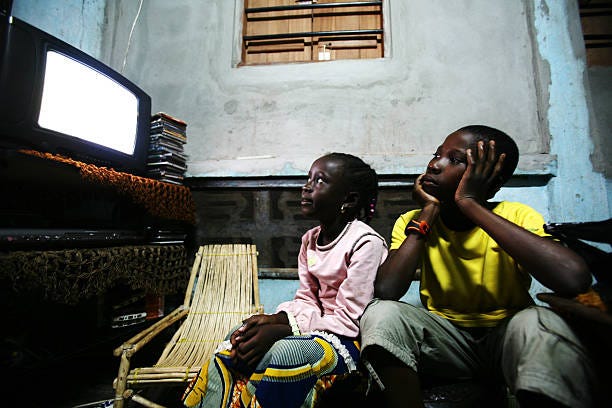
Nostalgia is a strange inheritance. It never arrives neatly, like a story told from beginning to end. It comes in fragments—heat, dust, voices, the taste of something cheap and perfect or even the weight of a memory that did not feel important when it was being lived.
I started supporting Arsenal before I knew how to clean myself properly. That kind of loyalty is not chosen, it is imposed. It was handed down to me by my uncle, a man who had seen the good days, who spoke of them like they were not just seasons but eras of belief. Covid would happen decades later, and he died, and what he left me was not property or wisdom but Arsenal. A team suspended somewhere between what it had been and what it might become. So I grew up in a strange condition where I was introduced to greatness just as it began to fade, condemned to wait without knowing I was waiting. Over fifteen years is a long time when you do not yet understand time.
But nostalgia is never about one thing. It is not just Arsenal. It is the afternoon I was caught playing that ridiculous card game on a Windows XP computer, the one with topless women that felt like rebellion simply because it was forbidden. My uncle found me there, and instead of anger, he offered initiation. We went to a local cinema hall. Arsenal was playing. They say you choose a team, but that is a lie. The team chooses you in moments like that and it was always accidental, unceremonious and irreversible. I have never looked at another club the same way again.
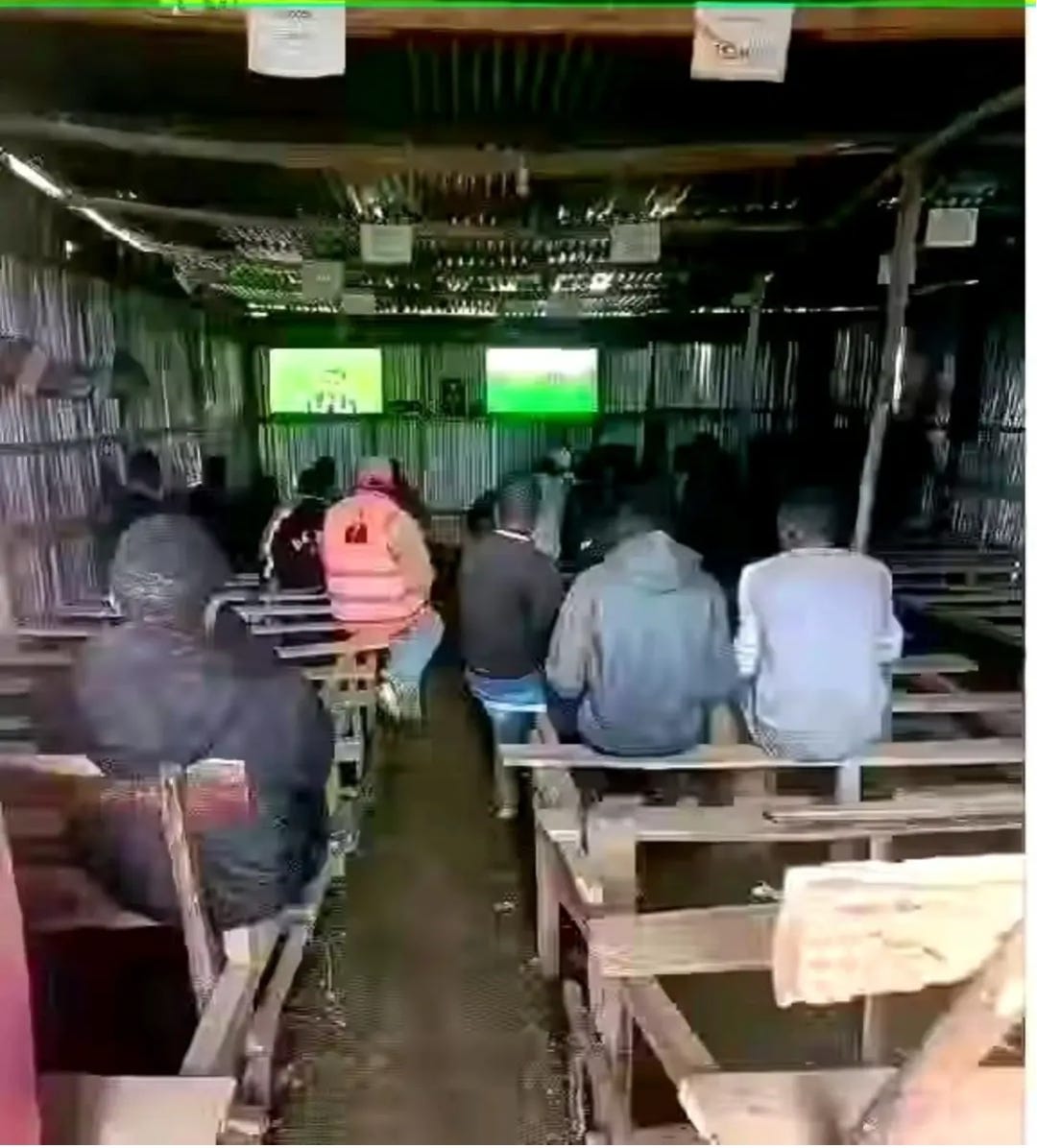
The TV halls came after that, or maybe they were always there and I only began to notice them. Iron sheet structures, heat trapped inside like punishment and raised wooden benches that forced your posture into attention. You paid ten bob and bought peanuts wrapped in old newspaper folded into cones, ink sometimes rubbing onto your fingers if the oil seeped through. With twenty-five bob, you could afford the full experience—snacks, two screenings and a whole afternoon claimed. It felt like wealth, even though it was the opposite.
We were not living in abundance. We lived within the nyumba kumi system, in that communal closeness where everyone knows you, disciplines you and corrects you. Evenings belonged to the radio, tuned in carefully, as we sat near the jiko and endured those small, sharp pinches from older relatives who believed childhood needed constant adjustment. Electricity was not something you assumed existed. It was something you heard about but imagined. If you had shown me a switch back then, I might have mistaken it for power in its purest form—the ability to summon light out of darkness.


Phones were rare, almost ceremonial objects. My aunt had a phone book, not a contact list but an actual book, pages filled with numbers written in pen. Weekends meant walking to the post office to post and receive mail and use the simu ya jamii, or standing at a telephone booth feeding coins into a machine that decided how long your voice deserved to travel. So the TV hall was not just entertainment. It was access—to stories, to spectacle and to a world that felt larger than the one we occupied. It colored our dreams.
Inside those halls, there was a kind of collective possession. Men reacting in unison, shouting, arguing and laughing. The floor was always dusty, the air thick and the space never quite enough. Someone would always be asked to squeeze or to make room for one more body, one more witness. Years later, when I sat in an IMAX cinema for the first time, everything was cleaner, colder and curated—but something in it felt familiar. The scale, the immersion and the shared silence before a reaction. Only now there was caramel popcorn instead of peanuts in newspaper, a proper seat instead of a bench and a banging date beside me instead of strangers pressed shoulder to shoulder. Comfort had replaced improvisation, but not entirely the feeling.
We watched action movies and then carried them into the week like unfinished business. Arguments were constant, urgent and ridiculous.


“Wewe hujui Rambo, kwanza akishafunga ile kitamba kwa kichwa!”
“Unasema nini kuhusu Rambo? Commando hata macho yake ifungwe anaweza muua!”
These were not just debates, they were claims about reality. We reenacted fight scenes with complete conviction, escalating from performance to actual blows the moment disagreement became too intense. Guns were made from nothing—sticks, fingers and imagination—and the real fight was always about whether the bullet had landed. Everyone lied. Everyone insisted.
There was a river nearby, where dishes and laundry were done, and in its shallow parts we found a loophole besides duff mpararo. Wrestling matches disguised as play, just far enough from adult supervision to feel like freedom. It was there that bodies learned force, resistance, consequence, all under the pretense of imitation. Umaga, Edge, Tripple H, Bobby Lashly… their spirits took over by the river banks.


Each week brought a new mythology. After watching Double Impact, we argued about whether Jean-Claude Van Damme truly had a twin. Bolo Yeung became a shared fear, almost too large to be contained by the screen. We admired Jackie Chan, Jet Li and tried to move like Bruce Lee, even imitating the sounds, as if the sound itself carried power. To some extent they did.
Then life shifted. My aunt got a job and we moved to Mombasa. We had a TV. Not shared, not rented—ours. A VHS player, discs that had to be rewound and the strange discipline of returning a tape to its beginning before anyone else could use it. We revisited the same films, but something had changed. The distance between us and the screen had shortened, and with it, some of the magic.


We discovered Nollywood and lost sleep over films like Guardian Angel and Blood Sister. Fear entered the house in new ways, quieter but more persistent. Still, access had limits. Satellite dishes belonged to another class entirely. DStv was a symbol, not a service we could touch. So we relied on analogue aerials, fragile connections to channels like KTN, NTV and KBC.
Those channels shaped us more than we realized. Makutano Junction, Cobra Squad, Vitimbi, Mama Kayai—these were not just shows, they were shared references and cultural glue. Saturdays began with Club Kiboko, weekdays ended with Fun Factory, a gateway to cartoons from Cartoon Network and Nickelodeon. And there were faces like Charles Ouda, whose presence felt constant enough to be mistaken for permanence.
The remote control was a battlefield. Older cousins claimed authority through age, insisting on Neighbours while we fought for Malcolm in the Middle. Sometimes schedules collided and hierarchy decided the outcome, enforced through slaps and pinches that carried both irritation and order. Then came Storm Over Paradise, a rare moment of national alignment, but before it there was Cuando Seas Mía—or simply Paloma, because she was the center of it all. If people now speak of yearning as though it is new, they should have met Paloma. That was education in longing, in heartbreak and in staying even when staying hurt.


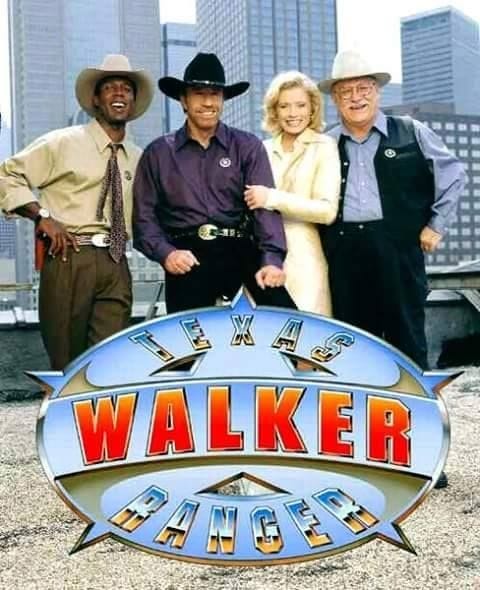
Yesterday, years later, something small triggered it all again. News that Chuck Norris had died. I remembered watching Walker, Texas Ranger on KBC, remembered the theme song without effort, In the eyes of a ranger/The unsuspecting stranger/Had better know the truth of wrong from right/'Cause the eyes of a ranger are upon you, as if it had been waiting. I went to YouTube, and for a moment, time collapsed. It was not dramatic but everything dissolved just enough to feel the past press lightly against the present.
That is what nostalgia really does. It does not ask to take you back permanently. It only offers glimpses and brief permissions to remember who you were before you understood what any of it meant.
And maybe that is why it feels heavier now. Because those moments were not curated. Family time was not scheduled or optimized. It simply happened, in front of a flickering screen, in arguments over remotes, in shared laughter and irritation. Now everything is available, on demand and individualized. You can watch anything, anytime and alone.
It is better in many ways. But something about those crowded rooms, those improvised systems, those small struggles for space and sound—they forced us into each other’s presence. They made experience collective.
Now you have Netflix and chill. Back then, we had dust, heat and ten bob—and somehow, it was enough.